
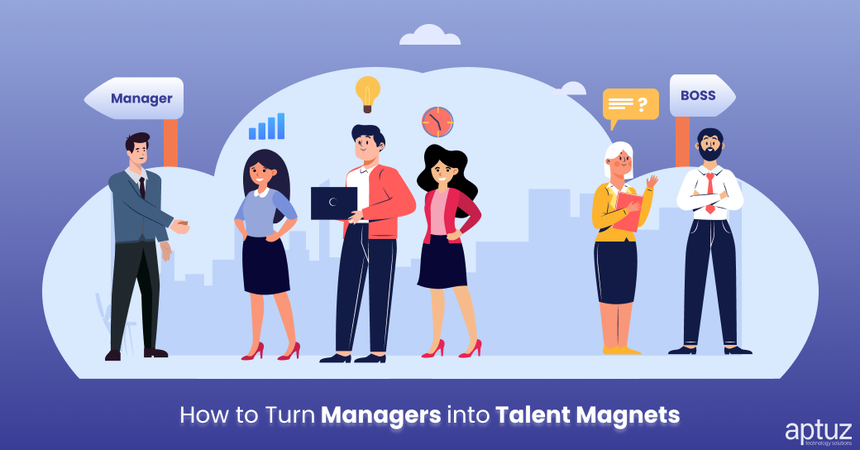
Research shows that 70% of an employee’s engagement is directly influenced by their manager. This means managers aren’t just supervisors—they’re the make-or-break factor in whether talent stays or leaves.
The best managers attract people like magnets, not with fancy perks or big budgets, but with simple stuff: listening, giving feedback, recognizing effort, and creating chances to grow. When managers show up like that, employees don’t just stay—they thrive and even brag about where they work.
Cultivate Great Managers - Because Talent Needs a Beacon, not a Boss
Why it matters: Employees don’t leave organizations; they leave managers. A manager’s influence on engagement, retention, and performance is greater than any policy or perk.
How to do it:
- Shift from being a taskmaster to being a coach.
- Lead with clarity, empathy, and fairness.
- Building Psychological Safety
- Provide autonomy while being a guide when needed.
1. Shift from Taskmaster to Coach
Today’s workforce doesn’t want a boss who just assigns tasks. They want a coach who listens, guides, and helps them grow.
Great managers:
- Listen first before prescribing solutions.
- Give feedback often, not once a year.
- Personalize growth, because no two employees are the same.
Google’s Project Oxygen proved it: the #1 trait of effective managers wasn’t technical skill—it was being a good coach.
2. Lead with Clarity, Empathy, and Fairness
Employees thrive when expectations are clear, leaders care, and everyone is treated fairly.
- Clarity → No guessing games. Goals and metrics are transparent.
- Empathy → Work–life balance and challenges are respected.
- Fairness → No favoritism, no bias, just equal opportunities.
Adobe scrapped rigid reviews for ongoing “check-ins,” boosting trust and retention.
3. Building Psychological Safety
Innovation dies in a blamed culture. Great managers make it safe to speak up, fail, and try again.
They:
- Encourage open dialogue.
- Treat mistakes as learning.
- Model vulnerability.
Harvard research shows psychological safety are the #1 driver of high-performing teams.
4. Giving Autonomy with Accountability
Top talent loves freedom—but also needs structure. The best managers set clear goals, give space to execute, and check in (not checkup).
Adobe’s check-in model is again a great example: more freedom + fair accountability = higher engagement.
Conclusion – Magnetism Is Not a Role, It’s a Ripple
At the end of the day, employees don’t remember the perks—they remember the manager who listened, believed in them, and pushed them to grow. That’s the true magnetism of leadership.
Because when managers lead empathy, clarity, and trust, people don’t just stay—they flourish, and they bring others along for the ride.
Reference - Gallup-businessjournal